
How Salon and Barbershop Owners Can Increase Revenue in 2026
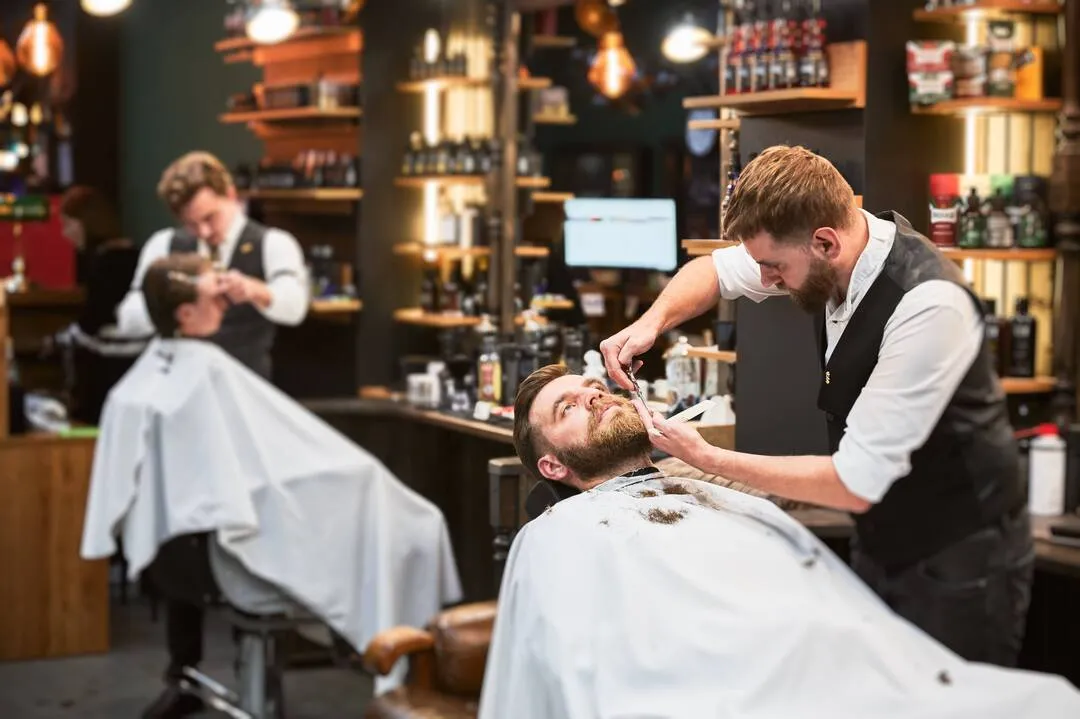
Increasing salon or barbershop revenue does not always require more chairs, longer hours, or a bigger ad budget. In many cases, the biggest opportunities are already inside the business. Empty appointment slots, missed rebooking conversations, weak follow-up, underused add-ons, inconsistent promotions, and unclear reporting can all limit revenue without being obvious day to day.
The goal for 2026 is not to chase every growth tactic. The goal is to build a more reliable revenue system around the client journey. That means making it easier for new clients to book, helping current clients return more often, increasing the value of each visit in a way that feels natural, and using data to make better decisions.
Here are practical ways salon and barbershop owners can increase revenue while protecting the client experience.
Start with the revenue you are already missing
Before adding new marketing campaigns, look at the revenue that is leaking from the current operation.
Common revenue leaks include:
- Clients who leave without rebooking
- No-shows and late cancellations
- Empty appointment gaps during the week
- Walk-ins who leave because the wait is unclear
- Add-ons that staff forget to mention
- Clients who lapse after 60 or 90 days
- Services that are underpriced or underpromoted
- Retail products that are not recommended at checkout
- New clients who visit once and never receive follow-up
- Marketing campaigns that are not tied to booking activity
These leaks are fixable when the business has the right systems and habits. The first step is to measure where they are happening.
Make online booking easier to complete
If clients cannot book quickly, revenue is at risk. People often look for appointments at night, between meetings, during lunch, and often while using their phones. If they have to call during business hours, wait for a reply, or search through unclear service options, some of them will not finish booking.
Online booking helps reduce that friction. A seamless booking experience lets clients choose a service, see available times, pick a provider when needed, and receive confirmation without extra steps.
For salons and barbershops, online booking also helps staff. Fewer phone calls mean fewer interruptions. Fewer manual entries mean fewer scheduling mistakes. More self-service booking means the calendar can keep filling even when the shop is closed.
To improve online booking revenue, review these areas:
- Are service names clear to new clients?
- Are appointment durations realistic?
- Can clients book from a mobile device easily?
- Can clients choose first available when they do not have a preferred provider?
- Are confirmations and reminders automatic?
- Are cancellation rules easy to understand?
- Is booking linked from the website, social profiles, and Google Business Profile?
A better booking process can increase appointments without increasing staff workload.
Protect revenue with reminders and no-show reduction
No-shows and late cancellations directly affect revenue losses. They also disrupt staff productivity and make it harder to serve clients who would have taken the time slot.
Appointment reminders help protect the schedule. Email and SMS notifications can confirm the booking, remind clients before the appointment, and make it easier for them to reschedule if needed. That gives the business a better chance to fill the time rather than losing it completely.
Owners should also review cancellation policies, deposits, card-on-file practices, and communication timing. The right policy depends on the business, but the standard should be clear, fair, and consistently applied.
Revenue action: Set automated reminders for every appointment type and review no-show patterns by provider, service, day, and time.
Increase rebooking before the client leaves
Rebooking is one of the most important salon and barbershop revenue habits. If clients leave without their next appointment, the business has to earn that visit again later.
The easiest time to rebook is at checkout. The service is complete, the client is present, and the provider can recommend the right timing based on the service. A color client may need to return in six to eight weeks. A barber client may need a cut every two to four weeks. A nail client may need a standing schedule. A spa client may benefit from a treatment plan.
The conversation should feel helpful, not pushy. Try language like:
- “Let’s get your next visit on the calendar so you can keep this shape.”
- “Your color will look best if we refresh it around this date.”
- “Your usual time fills quickly, so I can hold the next one now.”
- “Do you want to stay with the same day and time for your next cut?”
BookedBy can support rebooking workflows by connecting appointment history, checkout, client communication, and follow-up reminders.
Use first available booking to fill more open time
Some clients are loyal to a specific provider. Others just want the earliest appointment that fits their schedule. A business can support both.
First available booking helps fill open time across the team. This is valuable when newer staff members need more bookings, when last-minute demand occurs, or when a client is flexible about who performs the service.
For salons and barbershops, this can help improve utilization without damaging provider relationships. Preferred provider booking remains available for clients who want it, while first available booking gives the business another path to fill capacity.
Revenue action: Review how many open slots could be filled by first available booking and make that option clear during online booking.
Add revenue through service upgrades that make sense
Upselling works best when it is based on the client’s needs. It should feel like a professional recommendation, not a forced sales pitch.
For salons, natural upgrades may include gloss treatments, deep conditioning, scalp treatments, toners, masks, blowout add-ons, or retail products that support the service at home. For barbershops, upgrades may include beard conditioning, hot towel treatments, scalp treatments, gray blending, styling products, or premium grooming packages.
The key is to train staff around service outcomes. Instead of saying “Do you want to add anything today?” staff can connect the recommendation to the result.
Examples:
- “Your hair feels dry from the season. A conditioning treatment would help with softness and shine.”
- “We can add a beard conditioning treatment today to clean up the texture and finish.”
- “If you want this style to hold better at home, this product is the one I used today.”
Revenue action: Choose three high-margin add-ons and train the team on when to recommend each one.
Build packages around repeat behavior
Packages can help create more predictable revenue. They also give clients a reason to return on a schedule.
A package does not have to be complicated. It can include monthly blowouts, color maintenance, facial treatments, retail discounts, priority booking, or product bundles.
The best packages are tied to complementary services. The offer should be easy to explain and operationally realistic for staff.
Examples:
- Maintenance package for color clients
- Bridal or event prep package
- Facial or med spa treatment package
- Product bundles
- Retail and service loyalty program
- Loyal client appreciation package
Revenue action: Start with one package that supports an existing repeat service before building a large program.
Win back clients before they become lost clients
A client who has not visited in 60, 90, or 120 days may not be gone forever. They may have forgotten to rebook, changed routines, tried another provider, or simply needed a reminder.
Win-back campaigns help reconnect with clients before too much time passes. These campaigns work best when they are segmented by last visit, service type, provider, or client value.
A strong win-back message should be personal, clear, and easy to act on.
Examples:
- “We have not seen you in a while, and we would love to get you back on the schedule. Book your next visit this week and receive a refresh offer.”
- “Your last color service was a few months ago. We have openings this week if you are ready for a gloss or maintenance appointment.”
- “Your barber has a few openings coming up. Book your next cut before the weekend fills.”
BookedBy’s email and SMS marketing tools can support win-back campaigns based on client inactivity and visit history.
Use slower days instead of discounting everything
Discounting can increase short-term bookings, but broad discounts can train clients to wait for deals. A better approach is to use targeted promotions that fill specific gaps.
For example, if Tuesday afternoons are slow, create a promotion for that time window. If a specific service has room to grow, promote that service to clients most likely to book it. If new staff members have open time, offer an introductory service with those providers.
Promotion ideas:
- Midweek service upgrade
- New provider introduction offer
- Gloss or treatment add-on during slower hours
- Beard service bundle
- Retail product and service pairing
- Lapsed client return offer
- Loyal client appreciation week
Revenue action: Run promotions against specific gaps, then measure bookings and revenue instead of judging success by message clicks alone.
Improve retail sales with better timing
Retail sales should support the service result. Clients are more likely to buy when they understand exactly why a product matters and how to use it.
The best time to start the retail conversation is during the service, not after the total is already on the screen. Providers can mention what they are using, explain the benefit, and connect it to the client’s goal.
Examples:
- “I am using this because it gives hold without stiffness.”
- “This will help maintain your color between visits.”
- “This is the product I would use to recreate the finish at home.”
At checkout, the recommendation should be easy to add. Staff should know which products pair with which services, and managers should track which products sell and which sit on the shelf.
Revenue action: Create a simple service-to-product pairing list for the top services on the menu.
Use reports to manage the business by facts
Revenue growth becomes easier when owners can see what is working. Reports help identify patterns that are hard to catch during a busy week.
Salon and barbershop owners should review:
- Booking volume by day and time
- Revenue by service
- Revenue by provider
- Average ticket size
- Rebooking rate
- Client retention
- No-show and cancellation trends
- Product sales
- Promotion performance
- Lapsed client volume
- New client return rate
BookedBy includes reporting tools that help owners understand bookings, revenue, provider performance, client activity, and business trends.
Revenue action: Choose five metrics to review every week. Keep the habit simple enough to maintain.
Train the team around repeatable revenue habits
Software helps, but staff behavior still matters. Revenue growth becomes more reliable when the team has clear habits around rebooking, add-ons, retail, client notes, and follow-up.
A good weekly team rhythm may include:
- Reviewing open appointment time
- Identifying clients due for rebooking
- Highlighting one add-on or retail focus
- Reviewing no-shows and cancellations
- Checking promotion performance
- Coaching staff on consultation language
- Celebrating rebooking and client retention wins
This kind of rhythm keeps revenue growth practical. It also makes the team part of the process rather than making growth feel like an owner-only problem.
Use client notes to make service feel personal
Client retention improves when people feel remembered. Notes can help staff maintain continuity across visits, especially in businesses with multiple providers or locations.
Useful notes may include service preferences, product preferences, allergies, color formulas, style goals, conversation details, upcoming events, or past concerns. The goal is to help the next visit feel informed and professional.
When staff use notes consistently, the business can create a stronger client experience without relying only on memory.
Revenue action: Create a standard for what should be added to client notes after each appointment.
Turn new clients into second visits
A new client is not fully acquired until they come back. Many businesses focus heavily on attracting first-time clients but do not create a strong second-visit process.
The follow-up after a first visit should be intentional. Thank the client, encourage rebooking, ask for feedback, and recommend the next service based on what they received.
Examples:
- “Thank you for visiting us today. We would love to see you again. Book your next appointment here.”
- “Your stylist recommends a gloss refresh in six weeks. Reserve your preferred time now.”
- “We hope you enjoyed your first visit. Tell us how we did or book your next appointment.”
Revenue action: Create a first-time client follow-up campaign that encourages the second appointment within the right service window.
Build a revenue system, not a one-time push
The strongest revenue strategies are repeatable. They do not depend on one promotion, one social post, or one busy season.
A better system includes:
- Easy online booking
- Automated reminders
- Strong rebooking habits
- Service upgrades that fit client needs
- Targeted promotions
- Win-back campaigns
- Memberships or packages
- Reporting habits
- Staff coaching
- Consistent client follow-up
When these pieces work together, revenue growth becomes easier to manage. The business fills more appointment time, improves repeat visits, increases average ticket size, and makes better decisions.
How BookedBy helps salon and barbershop owners grow revenue
BookedBy supports the workflows that connect directly to revenue. Online booking helps capture demand. Appointment and wait time tools help manage the day. Notifications help protect scheduled visits. Guided and self-checkout support rebooking and service completion. Email and SMS marketing help bring clients back. Promotions and memberships support repeat demand. Reports help owners see what is working.
Instead of treating booking, marketing, checkout, and reporting as separate tasks, BookedBy helps bring them into one connected system.
Frequently Asked Questions About Increasing Salon and Barbershop Revenue
What is the fastest way to increase salon revenue?
The fastest opportunities are often inside the current client base. Improve rebooking, reduce no-shows, fill open time, recommend relevant add-ons, and follow up with lapsed clients before spending more on new client acquisition.
How can barbershops increase revenue without raising prices?
Barbershops can increase revenue by improving rebooking, offering service upgrades, creating memberships, filling slow periods, promoting retail products, and using reminders to reduce missed appointments.
How does online booking help increase revenue?
Online booking makes it easier for clients to schedule from any device and reduces the amount of manual booking work staff needs to handle. It can also help capture demand after hours.
Are packages a good idea for salons?
Packages can be a strong revenue tool when they are built around services clients already use repeatedly. They should be simple to explain, easy for staff to manage, and valuable enough for clients to keep.
How can salons win back inactive clients?
Salons can use Email and SMS campaigns to reach clients who have not visited in a set timeframe. The best messages are personal, clear, and tied to an easy booking action.
What reports should salon owners review weekly?
Salon owners should review bookings, revenue, average ticket, rebooking rate, retention, no-shows, provider performance, service performance, promotion results, and lapsed clients.
Ready to turn more bookings into repeat revenue?
BookedBy helps salons and barbershops manage booking, client flow, reminders, rebooking, promotions, memberships, checkout, and reporting.